
Macro Photography: Capturing the Beauty of Small Things
Introduction to Macro Photography: A World Unseen
Macro photography is a specialized technique that allows us to capture the intricate details of tiny subjects. By magnifying the world around us, we can discover a hidden realm of beauty and complexity that often goes unnoticed.
Historical Background and Evolution
The origins of macro photography can be traced back to the early days of photography. While early lenses were limited in their ability to capture close-up details, advancements in technology have led to significant improvements in macro lenses and camera systems. Today, macro photography is a popular and accessible genre for photographers of all levels.
Importance of Macro Photography in Different Fields
Macro photography is used in a variety of fields, including:
- Science: Documenting and studying microscopic organisms, insects, and plant structures.
- Art: Creating visually stunning and thought-provoking images that showcase the beauty of the natural world.
- Product Photography: Capturing detailed images of small products for marketing and advertising.
- Forensic Science: Examining evidence and documenting crime scenes.
Tools and Equipment Required for Macro Photography
To get started with macro photography, you’ll need:
- A DSLR or mirrorless camera with a manual mode.
- A macro lens designed for close-up photography.
- A tripod to stabilize your camera and prevent camera shake.
- A remote shutter release or intervalometer to avoid camera shake when taking long exposures.
- Lighting equipment such as a flash or continuous light source.
Mastering the Techniques: How to Capture Stunning Macro Shots
- Choosing the Right Camera and Lenses: Select a camera with good low-light performance and a fast autofocus system. Macro lenses are specifically designed to capture close-up images and come in various focal lengths.
- Lighting Techniques: Use natural light or artificial lighting to illuminate your subject. Consider using diffusers or reflectors to soften the light and avoid harsh shadows.
- Understanding and Handling Depth of Field: Depth of field refers to the range of focus in an image. Experiment with different apertures to control the depth of field and highlight specific details.
- Creative Composition and Framing: Pay attention to composition and framing to create visually interesting images. Use the rule of thirds, leading lines, and other compositional techniques to draw the viewer’s eye.
- Post-Processing Tips and Software Recommendations: Use photo editing software like Adobe Photoshop or Lightroom to adjust exposure, contrast, color, and other parameters.
Exploring the Subject: Finding Beauty in Small Things
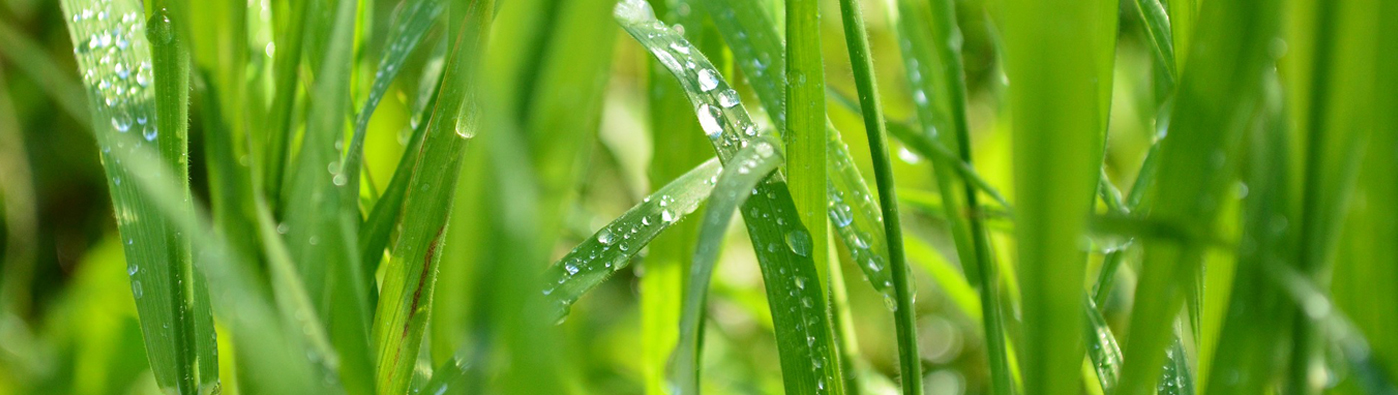
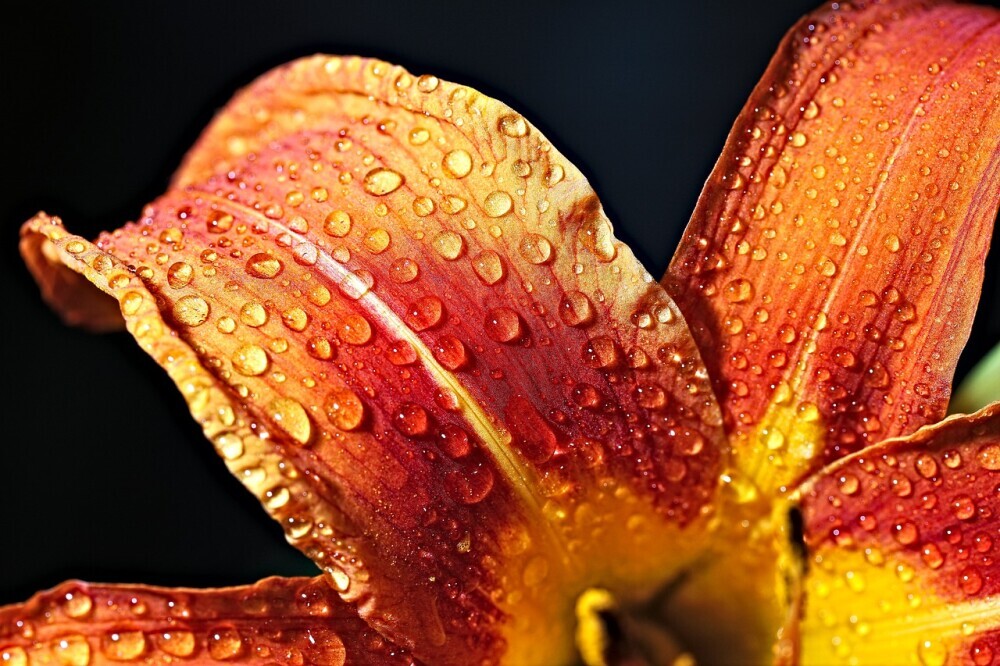
- Identifying Compelling Subjects: Look for subjects with interesting textures, patterns, or colors. Consider insects, flowers, water droplets, and other small objects.
- Seasonal Opportunities and Environmental Considerations: Be mindful of the season and environmental conditions when photographing your subjects. Certain subjects may only be available during specific times of the year.
- Incorporating Textures and Patterns: Pay attention to the textures and patterns within your subject. These elements can add depth and visual interest to your images.
- Tips for Photographing Insects, Flowers, and Other Miniature Subjects: Use a tripod to avoid camera shake, be patient and wait for the right moment, and be respectful of the environment and the creatures you’re photographing.
Ethical Considerations in Macro Photography
- Respect the Environment: Avoid disturbing natural habitats and minimize your impact on the environment.
- Handle Subjects Carefully: Be gentle when handling insects and other living creatures.
- Obtain Necessary Permits: If photographing in protected areas, ensure you have the required permits.
Sharing and Showcasing Your Work: From Hobby to Portfolio
- Building a Portfolio: Select your best macro shots and create a portfolio to showcase your work.
- Sharing Your Work on Social Media and Photography Communities: Share your images on platforms like Instagram, Flickr, and Reddit to reach a wider audience.
- Participating in Macro Photography Contests and Exhibitions: Enter your work in competitions and exhibitions to gain recognition and feedback.
- Networking with Fellow Photographers and Mentors: Connect with other macro photographers to learn from their experiences and build relationships.
- Monetizing Your Macro Photography Skills: Consider selling prints, licensing your images, or offering photography workshops or tutorials.
By following these guidelines and exploring the world of macro photography, you can capture stunning images that showcase the beauty and complexity of the small things around us.